
Contrary to the low-fat dogma of the past 40 years, depriving your brain of specific fats and choosing the wrong ‘healthy’ oils actively promotes the silent inflammation and structural damage linked to cognitive decline.
- Industrial vegetable oils (sunflower, corn, soy) are high in unstable Omega-6 fats that oxidize easily, creating inflammatory compounds that make brain cell membranes rigid and dysfunctional.
- Cholesterol, long demonized, is a crucial structural component of the brain; in fact, 25% of your body’s cholesterol is located there, and higher levels in older age are linked to a lower risk of dementia.
Recommendation: Shift focus from avoiding all fats to strategically choosing stable, anti-inflammatory fats like extra virgin olive oil, grass-fed butter, and prioritising whole-food fat sources to build a resilient, healthy brain.
For over four decades, you’ve likely followed the public health mantra with diligence: avoid fat, cut out cholesterol, and opt for “heart-healthy” vegetable oils. You chose the low-fat yogurt, the margarine spread, and the skinless chicken breast, believing you were making the best choices for a long, healthy life. Yet, as concerns about cognitive decline, memory lapses, and “brain fog” become more pressing with age, a disquieting question emerges: what if the diet you thought was protecting you has been silently undermining the health of your most vital organ?
The conversation around dietary fats has been dominated by a simplistic “good vs. bad” narrative, often focusing solely on cardiovascular health while ignoring the brain’s unique nutritional needs. Your brain, after all, is the fattiest organ in your body. This article moves beyond the outdated, low-fat dogma. We will not simply list “good fats” and “bad fats.” Instead, we will delve into the biochemical mechanisms that explain why certain fats, often marketed as healthy, can fuel the very processes of inflammation and cellular damage that accelerate brain aging.
The central argument is this: the war on fat created a nutritional vacuum, which was filled by highly processed, unstable industrial seed oils and refined carbohydrates. This shift has inadvertently deprived our brains of their essential building blocks while simultaneously promoting a state of chronic, silent inflammation. This guide will dismantle these long-held myths, equipping you with the scientific understanding to distinguish brain-fuelling fats from neurotoxic ones and make informed choices to protect your cognitive future.
This guide provides a comprehensive overview of how to re-evaluate your fat intake for optimal brain health. Below, you will find a detailed breakdown of each critical aspect we will cover.
Summary: Reclaiming Brain Health by Rethinking Dietary Fats
- Why Is Your ‘Healthy’ Vegetable Oil Causing Silent Inflammation?
- How to Identify Genuine Extra Virgin Olive Oil on UK Supermarket Shelves?
- Grass-Fed Butter or Plant-Based Spread: Which Is Truly Better for Your Heart?
- The Frying Pan Mistake That Turns Healthy Oils into Toxic Compounds
- How to Use Healthy Fats to Stabilise Hormones During Menopause?
- Why Are High Triglycerides Often More Dangerous Than High Cholesterol?
- How to Feed the Bacteria That Produce 90% of Your Body’s Serotonin?
- Why Is Cholesterol Not the Only Number That Matters for Your Heart?
Why Is Your ‘Healthy’ Vegetable Oil Causing Silent Inflammation?
The promotion of polyunsaturated vegetable oils—like sunflower, corn, soybean, and canola oil—as a “heart-healthy” alternative to saturated fats is one of the most consequential nutritional shifts of the 20th century. However, from a neurological perspective, this change has been catastrophic. These oils are predominantly composed of an omega-6 fatty acid called linoleic acid. While a small amount is essential, the modern Western diet provides it in vast, evolutionarily unprecedented quantities. The primary issue is its chemical instability. When exposed to heat, light, or oxygen during processing and cooking, linoleic acid readily oxidizes, creating a cascade of inflammatory compounds.
These oxidized byproducts don’t just pass through your system; they are incorporated directly into your body’s cells, including your neurons. This leads to a state of chronic, low-grade inflammation, often called “silent inflammation,” which is a key driver of nearly every chronic disease, including Alzheimer’s and dementia. The mechanism is insidious, as explained by researchers in a study for the Life Science Alliance. As they point out, this process directly compromises cellular health at the most fundamental level.
Oxidized linoleic acid gets incorporated into the membranes of all cells, including neurons and immune cells, making the membranes rigid, dysfunctional, and prone to generating further inflammatory signals.
– Bailey et al., Life Science Alliance Study
This “membrane rigidity” is critical. Healthy, fluid cell membranes are essential for proper neuron-to-neuron communication, nutrient transport, and waste removal. When they become stiff and damaged, brain function is directly impaired. Essentially, by consistently using these industrial seed oils, you are providing your brain with faulty building materials, leading to a structure that is less resilient and more prone to age-related decline.
How to Identify Genuine Extra Virgin Olive Oil on UK Supermarket Shelves?
In contrast to unstable vegetable oils, true extra virgin olive oil (EVOO) is a cornerstone of neuro-nutrition. Its benefits stem not just from its stable monounsaturated fat profile, but from its rich content of polyphenols—powerful antioxidants like oleocanthal that actively combat inflammation. However, the olive oil market is rife with fraud, where lower-grade oils are often mislabelled as “extra virgin.” Choosing a genuine product is essential to reap its brain-protective benefits. A “best before” date is not enough; you need to look for a harvest date to ensure the oil is fresh and its delicate polyphenols haven’t degraded.
The container is another major clue. Light is a primary enemy of olive oil, causing rapid oxidation that destroys its beneficial compounds and creates harmful free radicals. A genuine, high-quality EVOO will almost always be packaged in a dark glass bottle or an opaque tin to protect it from light degradation. Clear glass bottles, while aesthetically pleasing, are a significant red flag. Furthermore, vague origin labels like “blend of EU oils” often indicate a lower-quality product assembled from various sources. Look for specific geographical indicators like Protected Designation of Origin (PDO) or Protected Geographical Indication (PGI), which guarantee the origin and quality standards.
Ultimately, the best test is sensory. Authentic EVOO should have a distinct, fresh aroma (often described as grassy or fruity) and a characteristic peppery finish or slight bitterness at the back of the throat. This sensation is caused by the anti-inflammatory polyphenol oleocanthal and is a hallmark of a high-quality, fresh oil. If an oil is bland, greasy, or tasteless, it is likely old, refined, or fraudulent.
Your Checklist for Authentic Extra Virgin Olive Oil
- Check the Date: Look for a harvest date within the last 12-18 months, not just a “best before” date, to ensure freshness.
- Assess the Container: Only purchase oil in a dark glass bottle or an opaque tin to protect it from light-induced oxidation.
- Verify the Origin: Prioritise oils with a specific origin designation (e.g., PDO/PGI certification from a single country or region) over vague “blends.”
- Perform a Sensory Test: At home, a genuine EVOO should have a fresh, fruity or grassy aroma and a noticeable peppery or bitter finish.
- Store It Properly: Keep your oil in a cool, dark place away from the stove to preserve its delicate polyphenol content and prevent oxidation.
Grass-Fed Butter or Plant-Based Spread: Which Is Truly Better for Your Heart?
For decades, butter was public enemy number one, blamed for raising cholesterol and clogging arteries. In its place, plant-based spreads and margarines were promoted as the virtuous choice. However, a deeper nutritional analysis reveals a very different story, especially for brain health. The key difference lies in processing and nutrient profile. Grass-fed butter is a minimally processed food, whereas most plant-based spreads are ultra-processed products created through industrial processes like interesterification, which alters the molecular structure of vegetable oils to make them solid at room temperature.
One of the most significant advantages of grass-fed butter is its natural content of beneficial compounds that are absent in processed spreads. It is a rich source of butyrate, a short-chain fatty acid that is the primary fuel for the cells lining our colon and plays a crucial role in gut health and reducing inflammation throughout the body. Furthermore, grass-fed butter is one of the best dietary sources of Vitamin K2 (in its MK-4 form), a fat-soluble vitamin essential for directing calcium into bones and teeth and away from arteries and soft tissues. Plant-based spreads contain little to no natural K2. While the saturated fat in butter was long feared, we now understand its role is more complex and essential for health than previously thought. Neurological research underscores the brain’s reliance on these components, showing that 25% of the body’s cholesterol is found in the brain, where it is vital for neuron structure and function.
| Factor | Grass-Fed Butter | Plant-Based Spreads |
|---|---|---|
| Butyrate Content | 3-4% (natural) | 0% (absent) |
| Vitamin K2 (MK-4) | High (natural) | Trace or synthetic |
| Processing Level | Minimal (churning) | Ultra-processed (interesterification) |
| CLA Content | Present (beneficial fat) | Absent |
| Trans Fat Source | Natural (vaccenic acid) | Potential from industrial processing |
The data from a comparative nutritional analysis from the American Heart Association journals, as seen in the table above, demonstrates a clear difference. When considering the whole food matrix—including beneficial fatty acids, fat-soluble vitamins, and minimal processing—grass-fed butter emerges as a superior choice for supporting both cardiovascular and neurological health over its ultra-processed counterparts. The fear of its natural saturated fat and cholesterol content is a relic of an outdated nutritional paradigm.
The Frying Pan Mistake That Turns Healthy Oils into Toxic Compounds
A common piece of kitchen wisdom is to choose a cooking oil based on its “smoke point”—the temperature at which it begins to smoke and visibly break down. This has led many health-conscious individuals to use oils with high smoke points, like grapeseed, sunflower, or refined canola oil, for high-heat cooking. However, this advice is dangerously misleading. The smoke point is a poor indicator of an oil’s stability when heated. A far more important concept is oxidative stability: an oil’s inherent resistance to reacting with oxygen at high temperatures to form harmful compounds.
Polyunsaturated-rich oils like corn and sunflower oil may have high smoke points, but they have extremely low oxidative stability. When you heat them in a frying pan, they undergo rapid oxidation long before they start to smoke, creating a cocktail of toxic byproducts, including lipid peroxides and aldehydes. These compounds are known to be cytotoxic (toxic to cells) and pro-inflammatory, contributing directly to the cellular damage that underpins brain aging. As a leading expert from Harvard Medical School clarifies, focusing on the smoke point is a scientific misstep.
The smoke point is a poor indicator of an oil’s safety for cooking. Oxidative stability is the more scientific concept that determines how resistant oils are to heat-induced damage.
– Dr. Francine K. Welty, Harvard Medical School Review 2022
So, what should you use? For high-heat cooking like searing or stir-frying, the best choices are fats that are highly saturated and therefore oxidatively stable, such as ghee (clarified butter), tallow, or coconut oil. For lower-temperature cooking like sautéing, extra virgin olive oil is an excellent choice due to its high level of protective monounsaturated fats and polyphenols. The biggest mistake is using an unstable polyunsaturated vegetable oil under any heat, as this effectively turns a “healthy” ingredient into a source of neurotoxic compounds.
How to Use Healthy Fats to Stabilise Hormones During Menopause?
Menopause represents a significant hormonal shift that can impact everything from mood and metabolism to cognitive function. Many women experience increased “brain fog,” memory issues, and mood swings during this transition. Dietary fats play a pivotal and often overlooked role in navigating these changes. Cholesterol, the molecule so often vilified, is the precursor from which your body manufactures all its steroid hormones, including estrogen, progesterone, and testosterone. A severely low-fat, low-cholesterol diet can deprive your body of the fundamental raw materials needed to produce these crucial hormones, potentially exacerbating menopausal symptoms.
Consuming adequate amounts of healthy fats is therefore essential for hormonal balance. This includes saturated fats from sources like grass-fed butter and coconut oil, and monounsaturated fats from olive oil, avocados, and nuts. These fats provide the building blocks for hormone synthesis and help maintain the integrity of cell membranes, ensuring proper signaling between cells. Far from being a dietary villain, cholesterol is emerging in research as a key player in cognitive longevity. In fact, a landmark study from the University of Minnesota revealed a startling correlation, finding a 70% risk reduction for dementia in elderly individuals with the highest cholesterol levels compared to those with the lowest.
The ARIC Study: Saturated Fats and Cognitive Health
The Atherosclerosis Risk in Communities (ARIC) Study provided compelling evidence challenging the anti-saturated fat narrative. Following over 3,000 participants for two decades, researchers found that certain very long-chain saturated fatty acids (VLSFAs) demonstrated beneficial effects on slowing cognitive decline. Remarkably, the protective effect of these specific saturated fats was comparable to that observed for the widely celebrated OMEGA-3 fatty acids, suggesting they play a unique and important role in maintaining brain function over a lifetime.
The takeaway for women in or approaching menopause is clear: embracing a diet rich in a variety of natural, unprocessed fats is a powerful strategy for supporting hormonal equilibrium and protecting long-term brain health. This means moving away from the fear of fat and towards a more nuanced, neuro-supportive approach to nutrition.
Why Are High Triglycerides Often More Dangerous Than High Cholesterol?
For decades, the annual health check-up has focused intensely on one number: total cholesterol, particularly LDL (“bad”) cholesterol. Patients are often placed on strict low-fat diets or medication based on this marker alone. However, this narrow focus is misleading. A far more telling indicator of your metabolic health and future risk for both heart disease and cognitive decline is your level of triglycerides. While cholesterol is a structural molecule essential for building cells and hormones, triglycerides are a type of fat used for energy. High levels in the blood don’t primarily come from eating fat; they are most often a direct consequence of consuming excess sugar and refined carbohydrates.
When you consume more sugar and starches (like bread, pasta, and processed snacks) than your body can immediately use for energy, your liver converts this excess into triglycerides. These are then packaged with cholesterol into VLDL (Very Low-Density Lipoprotein) particles and sent into the bloodstream. High triglycerides are therefore a direct marker of metabolic dysfunction and insulin resistance. This state is highly inflammatory and is strongly linked to an increased risk of dementia. It indicates that your body is overwhelmed by sugar, a condition far more damaging to your brain’s blood vessels and neurons than cholesterol levels in isolation.
The ratio of triglycerides to HDL (“good”) cholesterol (TG:HDL) is one of the most powerful predictors of cardiovascular risk and overall metabolic health. An ideal ratio is below 2:1, while a ratio above 4:1 signals significant insulin resistance. Instead of obsessing over total cholesterol, shifting your focus to lowering triglycerides through a diet low in sugar and refined carbohydrates is a much more effective strategy for protecting both your heart and your brain. It addresses the root cause of metabolic disease, rather than just one of its symptoms.
How to Feed the Bacteria That Produce 90% of Your Body’s Serotonin?
The conversation about brain health is incomplete without discussing the gut-brain axis. Your gut is home to trillions of microorganisms, collectively known as the gut microbiome, which are in constant communication with your brain. In a stunning example of this connection, it is estimated that up to 90% of your body’s serotonin—the “feel-good” neurotransmitter that regulates mood, sleep, and appetite—is produced by specialized cells in your gut. The health and activity of these cells are directly influenced by your gut bacteria.
A diet that harms your microbiome can therefore directly impact your mood and cognitive function. The high-sugar, high-processed-food diet common in the West tends to feed pathogenic bacteria, leading to dysbiosis (an imbalance of gut microbes) and inflammation. Conversely, a diet rich in fibre, polyphenols, and healthy fats nourishes the beneficial bacteria that support serotonin production. Healthy fats, in particular, play a dual role. Omega-3 fatty acids, especially DHA, are crucial for the structural integrity of gut lining cells, preventing “leaky gut,” a condition that allows inflammatory molecules to enter the bloodstream. Meanwhile, the polyphenols found in extra virgin olive oil act as prebiotics, selectively feeding beneficial gut microbes.
To support a healthy gut-brain axis and optimize serotonin production, the focus should be on a whole-foods diet that provides the right fuel for your microbiome. This isn’t about taking a single supplement; it’s about creating a dietary pattern that fosters a thriving internal ecosystem. Specific foods are particularly effective at supporting the bacteria involved in this crucial process.
- Fatty Fish: Consume 3-ounce servings of wild-caught salmon, sardines, or mackerel twice a week for their high content of anti-inflammatory Omega-3 fats (EPA and DHA).
- Seeds: Add 1-2 tablespoons of ground flax seeds or chia seeds to your daily diet for their ALA Omega-3s and soluble fibre.
- Fermented Foods: Include a small serving of foods like sauerkraut, kimchi, or plain kefir with meals to provide a direct source of beneficial probiotic bacteria.
- Polyphenol-Rich Fats: Use high-quality extra virgin olive oil daily as your primary fat for its prebiotic polyphenols that feed beneficial bacteria.
- Nuts: Eat a small handful (about 1 ounce) of walnuts or mixed nuts daily for a combination of healthy fats, fibre, and minerals.
Key Takeaways
- The low-fat diet dogma of the past is not optimal for brain health; the brain is 60% fat and requires specific types of fats to function correctly.
- Industrial seed oils (sunflower, corn, soy) are chemically unstable and promote silent inflammation, while stable fats like extra virgin olive oil, butter, and coconut oil are better choices.
- Cholesterol is not the enemy; it is a vital structural component of brain cells, and high triglycerides (driven by sugar) are a much better predictor of cognitive and cardiovascular risk.
Why Is Cholesterol Not the Only Number That Matters for Your Heart?
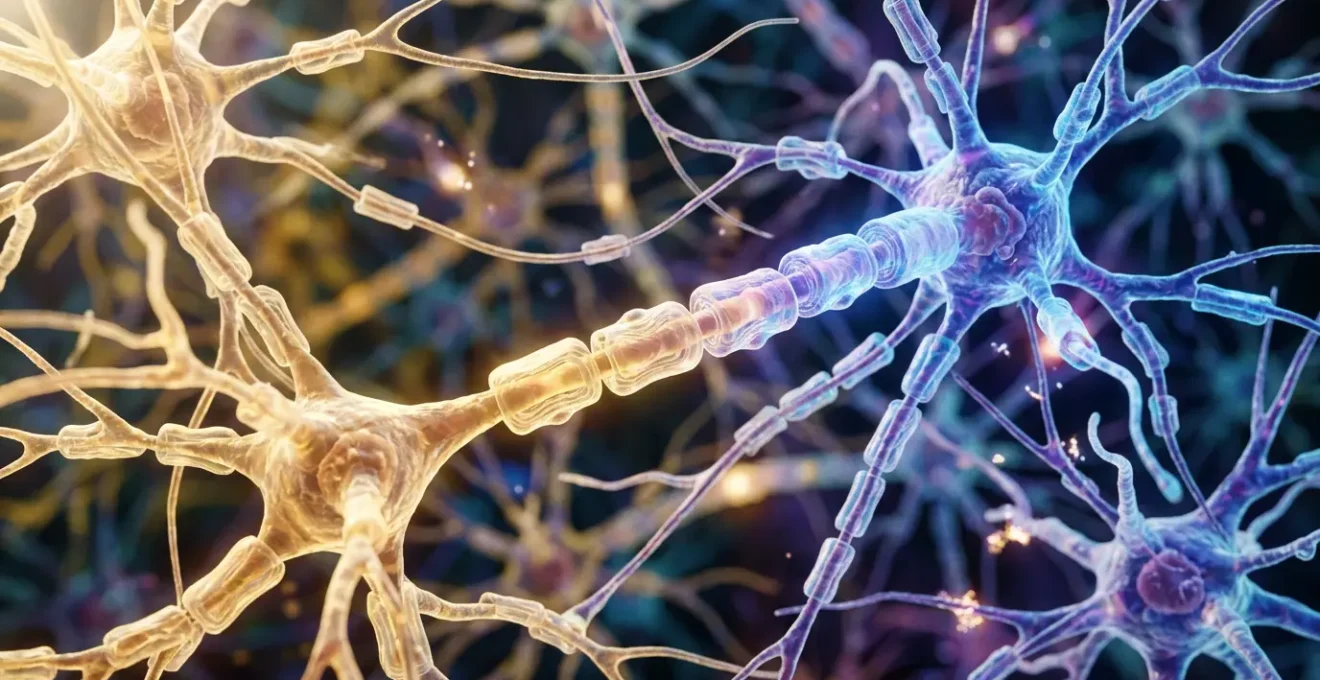
For a generation, the war on chronic disease has been fought on a single front: lowering cholesterol. This has led to a dietary paradigm that prioritizes low-fat processed foods and a pharmaceutical approach centered on statin drugs. While managing cardiovascular risk is vital, this myopic focus on cholesterol has obscured a more fundamental truth: your brain is made of fat and cholesterol, and depriving it of these materials can have dire consequences. Neuroscience research confirms that approximately 60% of the brain’s dry weight is composed of lipids (fats), with cholesterol being a key component of neuron membranes and the myelin sheath that insulates nerve fibres.
A resilient, well-functioning brain is literally built from the fats you eat. When you adopt a very low-fat diet, or one dominated by the wrong kinds of fats (like oxidized vegetable oils), you are handicapping your brain’s ability to maintain and repair itself. The evidence now overwhelmingly suggests that the quality and type of fat are far more important than the total quantity. An anti-inflammatory diet rich in stable saturated and monounsaturated fats, along with Omega-3s from fatty fish, provides the optimal building blocks for cognitive health.
The conversation needs to evolve beyond a single blood marker. True prevention for both heart and brain involves a holistic approach that focuses on reducing inflammation, stabilizing blood sugar, and nourishing the body with nutrient-dense whole foods. This means shifting focus away from the cholesterol number in isolation and towards more meaningful markers like your triglyceride-to-HDL ratio, fasting insulin, and inflammatory markers like hs-CRP. Your brain and heart are not at odds; the same dietary principles that quell inflammation and improve metabolic function will protect them both.
The journey to protecting your cognitive health begins with unlearning the outdated nutritional rules of the past and embracing a diet that nourishes your brain with the materials it is fundamentally made of. By focusing on fat quality over quantity and reducing sugar and processed foods, you can take a powerful, proactive step in building a more resilient brain for decades to come.