
Understanding the fundamental principles of nutrition is the most powerful tool for taking control of your daily energy, cognitive focus, and long-term health. Far beyond basic calorie counting, modern dietetics focuses on how specific compounds in our food interact with our unique biology, hormones, and cellular pathways. The human body is a complex engine, and the quality of fuel it receives dictates its overall performance.
Whether navigating supermarket aisles filled with highly processed convenience foods or attempting to build balanced, cost-effective weekly meal plans, the choices we make directly influence our physiological resilience. This comprehensive overview breaks down the core pillars of nutritional science, from stabilising energy levels to optimising hydration, absorbing micronutrients, and cultivating a thriving gut microbiome.
A common misconception in modern dietary habits is that consuming a high volume of food automatically equates to adequate nourishment. However, due to intensive agricultural practices over recent decades, many staple crops—such as standard supermarket spinach—contain significantly lower concentrations of vital minerals like iron compared to historical yields. Overcoming this hidden nutritional deficit requires strategic sourcing, particularly during the colder months.
During winter, the nutritional superiority of seemingly « fresh » produce is often an illusion. Vegetables transported across continents and stored for extended periods can lose a significant portion of their water-soluble vitamins before they even reach your plate. Conversely, modern flash-freezing techniques preserve produce at its absolute peak.
To maximise the nutritional density of your meals while maintaining a sensible budget, consider implementing these sourcing strategies:
Even with a carefully planned diet, specific micronutrient deficiencies remain remarkably common. For instance, a vast majority of highly stressed adults routinely ignore the early symptoms of magnesium depletion, mistakenly attributing muscle twitches and persistent fatigue to simple overwork. Similarly, individuals seeking to optimise their energy levels often rely on synthetic multivitamins for their B12 intake, unaware that traditional, highly bioavailable sources like organ meats are processed far more efficiently by the human digestive system.
Fluctuating blood glucose is the primary, yet often unrecognised, culprit behind the dreaded mid-afternoon energy crash, sudden bouts of irritability, and even feelings of unprovoked anxiety. When you consume carbohydrates, your body breaks them down into glucose. If this process occurs too rapidly, it triggers a sharp, aggressive spike in insulin, which is inevitably followed by a precipitous drop in blood sugar, leaving you exhausted and craving more sugar.
Not all carbohydrates are created equal, and their metabolic impact depends heavily on their physical structure and culinary context. Even products marketed as healthy options, such as gluten-free snack bars or vegan ready meals, frequently harbour hidden sugars that drastically elevate your glycaemic response. Understanding how to mitigate this impact is essential for sustained focus.
To effectively blunt the glycaemic impact of any meal, follow this scientifically backed, sequential eating process:
Carbohydrates are not inherently detrimental; they simply require contextual and temporal application. For example, consuming high-GI foods like watermelon is generally only optimal immediately before or after intense physical performance when muscles require rapid glycogen replenishment. Conversely, completely depriving your body of complex carbohydrates can negatively impact thyroid function and metabolic rate. Interestingly, reserving a measured serving of complex carbs for your evening meal can significantly improve sleep quality by facilitating the brain’s production of serotonin and melatonin.
The nutritional narrative surrounding dietary fats has evolved dramatically from the low-fat craze of previous decades. We now understand that sourcing high-quality lipids is non-negotiable for maintaining cellular membrane integrity, supporting cognitive function, and stabilising hormones—particularly during significant transitional phases such as menopause.
Modern supermarket shelves are inundated with highly refined, heavily deodorised vegetable oils. While marketed as heart-healthy, these industrial seed oils can promote silent inflammation throughout the body due to their highly skewed Omega-6 to Omega-3 ratios. Navigating this complex landscape requires vigilance, particularly when deciding whether a traditional grass-fed butter or a highly processed plant-based spread is truly better for long-term cardiovascular health.
Procuring high-quality fats, such as authentic Extra Virgin Olive Oil (EVOO), is only the first step; how you prepare them is equally critical. Exposing delicate, cold-pressed oils to temperatures beyond their specific smoke point in a frying pan drastically alters their chemical structure. This common culinary error degrades the beneficial antioxidants and turns healthy lipids into toxic, pro-inflammatory compounds. Always match your chosen cooking fat to your intended heat level, reserving delicate oils for dressings and using robust fats for searing.
Your gastrointestinal tract is an intricate ecosystem home to trillions of bacteria that dictate everything from your immune system’s resilience to your daily mood. Feeding this vital microbiome requires a diverse intake of fermentable fibres, though sudden or poorly planned dietary shifts can lead to severe gastrointestinal distress.
Humble kitchen staples like garlic and onions act as powerful prebiotic superfoods, providing the precise type of structural fibre your beneficial gut bacteria require to thrive. Another fascinating mechanism for actively feeding your microbiome is the chemical creation of resistant starch.
By simply cooking and then thoroughly cooling starchy foods—such as potatoes or leftover pasta—their molecular structure undergoes a profound transformation. They become highly resistant to early digestion, bypassing the small intestine entirely to act as a potent prebiotic fuel in the colon. This cooling process simultaneously slashes their overall glycaemic impact, making a cold potato salad biologically distinct from a hot baked potato.
Many individuals transitioning to plant-heavy or vegan regimens experience debilitating bloating, often causing them to abandon the diet within the first month. This discomfort usually stems from introducing an overwhelming volume of roughage too quickly, or from choosing the wrong type of fibre for their specific digestive constitution. Understanding whether your gut responds better to the soothing, gel-like soluble fibre found in oats, or the sweeping, insoluble roughage of wheat bran, is crucial for digestive comfort. Furthermore, opting for traditional, slow-fermented sourdough over standard wholemeal bread allows the natural fermentation process to pre-digest complex proteins, making it remarkably easier on the stomach.
Proper hydration is a complex physiological process that extends far beyond simply forcing yourself to drink three litres of plain tap water every day. In fact, consuming excessive volumes of unmineralised water can actively dilute your blood’s sodium concentration, leaving you paradoxically dehydrated at a deep cellular level.
For water molecules to effectively cross cellular membranes and hydrate tissue, they require a biological transport mechanism driven by key electrolytes, primarily sodium and potassium. This is precisely why beginning your morning by drinking water mixed with a small pinch of unrefined sea salt can dramatically enhance absorption and kickstart cognitive clarity. The brain is exquisitely sensitive to fluid balance; even a minor hydration deficit of just two percent can precipitate a severe drop in mental focus and physical coordination.
Your daily fluid intake should not be restricted to liquid beverages. Consuming water-rich foods—a practice known as « eatingyourwater »—provides fluids that are naturally encased in structural networks alongside essential trace minerals. A cucumber or a slice of watermelon offers superior, sustained cellular hydration compared to rapidly chugging a glass of plain water.
Furthermore, daily lifestyle habits exert a profound impact on your hydration baseline. If you regularly consume known diuretics such as strong coffee or alcoholic beverages, you must systematically compensate by increasing your intake of mineral-rich fluids. Understanding these compensatory mechanisms ensures your body maintains homeostatic balance, allowing your biological systems to operate at peak efficiency throughout the day.
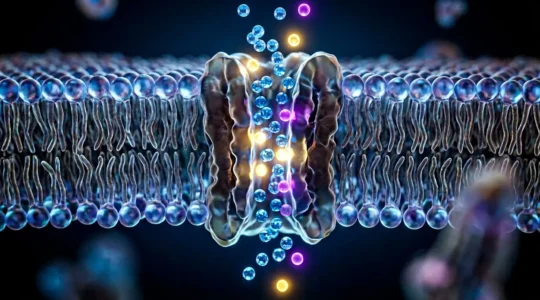
The volume of water you drink is meaningless if your cells cannot absorb it; true hydration is a molecular process governed by electrolytes, not just fluid intake. Plain water lacks the sodium and potassium required to cross the cell membrane,…
Lire la suite
Contrary to popular belief, a thriving gut isn’t about endlessly adding more ‘seeds’ (probiotics). The real, sustainable secret to long-term digestive wellness and even mental clarity is to diligently ‘fertilise the soil’ you already have with prebiotics—powerful fibres found in…
Lire la suite
Contrary to the low-fat dogma of the past 40 years, depriving your brain of specific fats and choosing the wrong ‘healthy’ oils actively promotes the silent inflammation and structural damage linked to cognitive decline. Industrial vegetable oils (sunflower, corn, soy)…
Lire la suite
The belief that all carbohydrates are the enemy of energy is fundamentally wrong; in reality, they are a vital tool for sustained vitality when used correctly. Strategic carbs are essential, non-negotiable fuel for your thyroid gland’s hormone production. The right…
Lire la suite
Your 11 AM energy crash isn’t a personal failing; it’s a predictable biochemical reaction to a ‘healthy’ breakfast that breaks your body’s fundamental rules of energy management. The *order* in which you eat your food can dramatically lower a meal’s…
Lire la suite
The constant fatigue many in the UK experience isn’t just from a lack of sun; it’s from eating ‘healthy’ foods that are nutritionally empty and taking supplements the body can’t use. Modern farming has led to a significant decline in…
Lire la suite
Eating well on a tight UK budget is not about sacrifice; it’s about smart science and maximising the nutritional return on every pound you spend. Frozen vegetables are often more nutritious than the ‘fresh’ produce that has been sitting on…
Lire la suite